
"vacuum coffee packaging"
100 article(s) found

Coffee packaging technology
The packaging characteristics of coffee and tea also have many similarities, such as preventing aroma from escaping, preventing moisture absorption and so on. The refreshing and stimulating nature of coffee has made it one of the most popular pastimes in the world. Coffee packaging requires coffee to be divided into ordinary coffee (ground, roasted) and instant coffee made of spray, freeze-drying and so on. Regular coffee is coming in.

Bagged coffee bean brand recommendation _ vacuum packaged coffee bean does not represent fresh _ bagged coffee bean price
Professional coffee knowledge exchange more coffee bean information Please pay attention to the coffee workshop (Wechat official account cafe_style) bagged coffee beans need to be stored in a dry and tasteless place isolated from oxygen vacuum packaging of bagged coffee beans does not mean fresh you may think: what is the difficulty of isolating the air, vacuum packaging is fine. Otherwise, put it in a sealed coffee can and the oxygen will come in.
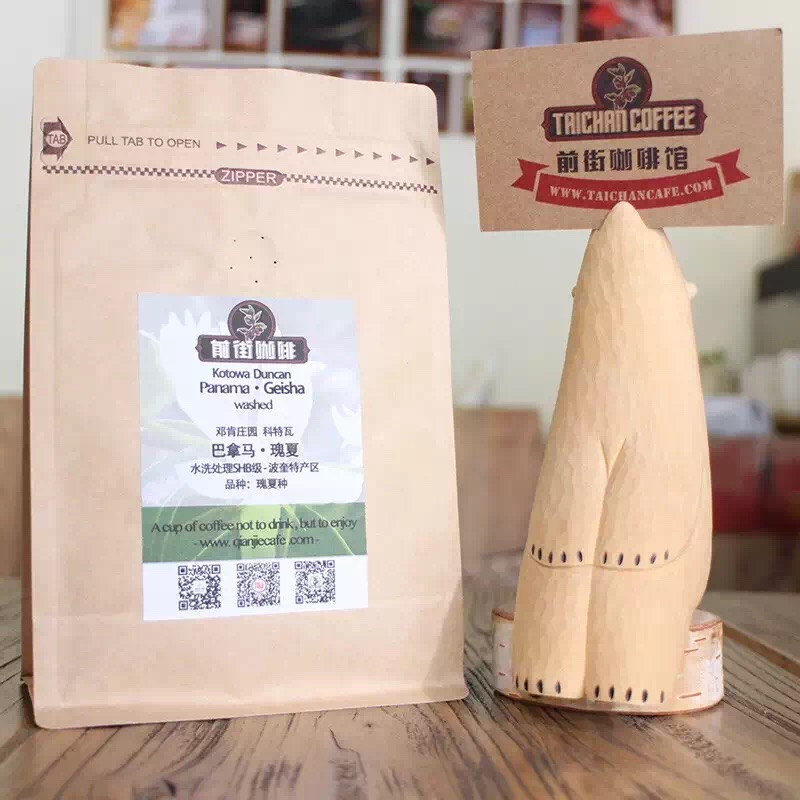
Better retain the flavor of coffee and teach you the skills of packaging coffee.
The packaging characteristics of coffee and tea also have many similarities, such as preventing aroma from escaping, preventing moisture absorption and so on. The refreshing and stimulating nature of coffee has made it one of the most popular pastimes in the world. Coffee packaging requires coffee to be divided into ordinary coffee (ground, roasted) and instant coffee made of spray, freeze-drying and so on. When ordinary coffee is packed, it should

Various methods of vacuum preservation of coffee beans!
There are many ways to preserve coffee beans. Let's take a look at the ways to preserve coffee beans I found for you online:

The most commonly used way of packaging coffee packaging coffee raw bean packaging
The most commonly used packaging method: sacks are the most commonly used and economical choice for packing and transporting raw beans, jute is a renewable resource, and sacks are cheap and do not require special skills or equipment beyond the capacity of ordinary mills and export points. However, sacks cannot isolate moisture and odor, so the coffee beans transferred are easily damaged during storage and transportation.

How to preserve roasted coffee beans-Starbucks concentrated roasted coffee beans
How to preserve roasted coffee beans-Starbucks concentrated roasted coffee beans 1, aerated packaging. In the most common packaging, beans and powder are packed in glass cans, paper bags or plastic containers, and then capped or sealed. Low preservation, and because of contact with air all the time, need to drink as soon as possible, drinking period is about a week. 2. Vacuum packing. Packing containers (cans, aluminum foil bags, plastic bags)
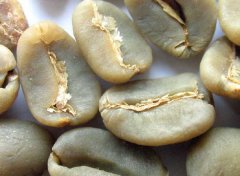
Water content of coffee beans processed and stored fresh coffee beans fresh coffee
Boutique coffee has a rich and beautiful taste. Even if the coffee made of boutique coffee beans is not all fine coffee, it depends on whether it gives full play to the characteristics of coffee beans, whether it has a good taste, if not, it can not be called boutique coffee. The term boutique coffee was first coined by Ms. Knudsen of the United States in Coffee and Tea magazine, when

The world's earliest vacuum package hair made by Chris KreisKaffee of Germany was developed to be instant.
2015 World Coffee Top Ten Brands ranking Coffee is one of the top three drinks in the world. At first, coffee is expensive in Europe. Only aristocrats can drink coffee, and coffee is even called black gold. Coffee, which fell in price as a result of mass production, began to become an important drink for Europeans. Zhong Lirong, vice president of China Coffee and Coffee Beverage Professional Committee, said in an interview.

Will the packaging materials of raw coffee beans affect the flavor of coffee beans? what is the best packaging for raw coffee beans?
Sensory degradation of raw coffee beans may cause significant financial losses to producers, traders and roasters. However, although a certain degree of degradation is inevitable over time, the materials of coffee packaging may have a significant impact on the shelf life and quality of coffee beans. Jute, high barrier plastic, vacuum: which is really the best? How much effect does the material actually have on beans?

The impact of vacuum packaging of oxygen, temperature and humidity on the quality of raw coffee
The three factors that affect the quality of coffee during transportation and storage are oxygen, temperature and humidity. Oxygen: oxygen has such an adverse effect on coffee that some articles call it a pollutant. When coffee interacts with oxygen, it will lead to oxidation or even deterioration of flavor molecules, resulting in peculiar smell and light taste. Temperature: the ideal temperature range for coffee storage is 20-2
Why does the coffee bag have a small hole? what's the reason?
(1)。 Bagging: bagging is generally divided into: non-airtight packaging, vacuum packaging, one-way valve packaging, pressure packaging. Non-airtight packaging: it is actually a temporary package and is only used for short-term storage. Vacuum packaging: roasted coffee beans need to be placed for a period of time and then packaged to prevent carbon dioxide damage to the packaging, this kind of packaging can generally be stored for about 10 weeks. Single
Coffee Encyclopedia Coffee beans packaging and selection
1, coffee beans packaging oxygen-containing packaging: can block light, but because there is residual air in the packaging, it can not prevent the oxidation of coffee; vacuum packaging: vacuum plastic packaging vacuum can be a good way to prevent coffee oxidation gas filling packaging: filling inert gas into the packaging and air replacement one-way valve packaging: the use of special valve function will occur in the packaging of carbonic acid gas outward
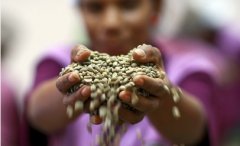
The following are the most commonly used packaging methods for the storage of raw coffee beans
Until recent years, all coffee beans were packed in gunny bags, transported in containers, and could not reach the roasters until a few months after the beans were processed. If roasters and importers occasionally want to test coffee beans from their origin, or taste samples before shipment, they will receive coffee beans that have been damaged by the poor atmospheric environment during storage or transportation.
How to store raw beans and coffee beans
The following are the most commonly used packaging methods: sacks are the most common and economical choice for packing and transporting raw beans, jute is a renewable resource, and sacks are cheap and do not require special skills or equipment beyond the capabilities of ordinary mills and export points. However, sacks cannot isolate moisture and odor, so the transferred coffee beans are easily affected during storage and transportation.
Types of coffee packaging
Vacuum packaging containers (cans, aluminum foil bags, plastic bags) draw out the air from the container after filling the coffee. Although it is called a vacuum, it actually removes at most 90% of the air, and the surface area of the coffee powder is larger than that of the coffee beans, and even the remaining air can easily combine with the powder to affect the flavor. Gas filling and packaging design a needle on a metal bag
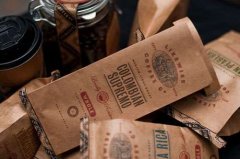
What are the types of coffee packaging?
1. Flexible non-airtight packaging, which is the most economical one. It is usually used by local small baking plants because they can guarantee prompt supply. Coffee beans can be consumed in time. Coffee beans packaged in this way can only be preserved for a short time. 2. Airtight packaging is suitable for bars, household use or indirect supply (supermarkets, etc.). Small bags and canned bags are fine. after filling the coffee, vacuum and
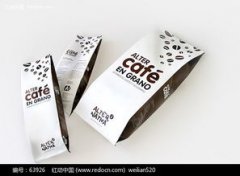
What are the types of coffee packaging?
1. Flexible non-airtight packaging, which is the most economical one. It is usually used by local small baking plants because they can guarantee prompt supply. Coffee beans can be consumed in time. Coffee beans packaged in this way can only be preserved for a short time. 2. Airtight packaging is suitable for bars, household use or indirect supply (supermarkets, etc.). Small bags and canned bags are fine. after filling the coffee, vacuum and
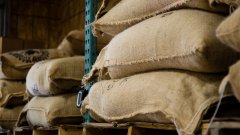
How does the packaging material affect the preservation of raw coffee beans? Introduction to the Packaging material of Coffee Bean
The poor preservation or storage of raw coffee beans for too long will lead to the decline of the flavor and aroma of roasted coffee, resulting in great losses to farmers, traders and bean bakers, although the loss caused by prolonged storage time is inevitable. however, if you can choose the right packaging to preserve it, it can effectively prolong and improve the shelf life and quality of coffee beans. So, burlap bags, high barrier bags

Basic knowledge of Coffee Preservation of roasted coffee beans
Non-airtight packaging: this is the most economical one. It is usually used by local small baking plants because they can guarantee prompt supply. Coffee beans can be consumed in time. Coffee beans in packaging can only be preserved for a short time. Air-tight packaging: suitable for bars, household or indirect supply (supermarkets, etc.). Small bags and canned bags are fine. After filling the coffee, vacuum and seal it. Due to
High-quality coffee study the preservation and packaging of roasted coffee beans
Non-airtight packaging: this is the most economical one. It is usually used by local small baking plants because they can guarantee prompt supply. Coffee beans can be consumed in time. Coffee beans in packaging can only be preserved for a short time. Air-tight packaging: suitable for bars, household or indirect supply (supermarkets, etc.). Small bags and canned bags are fine. After filling the coffee, vacuum and seal it. Due to